
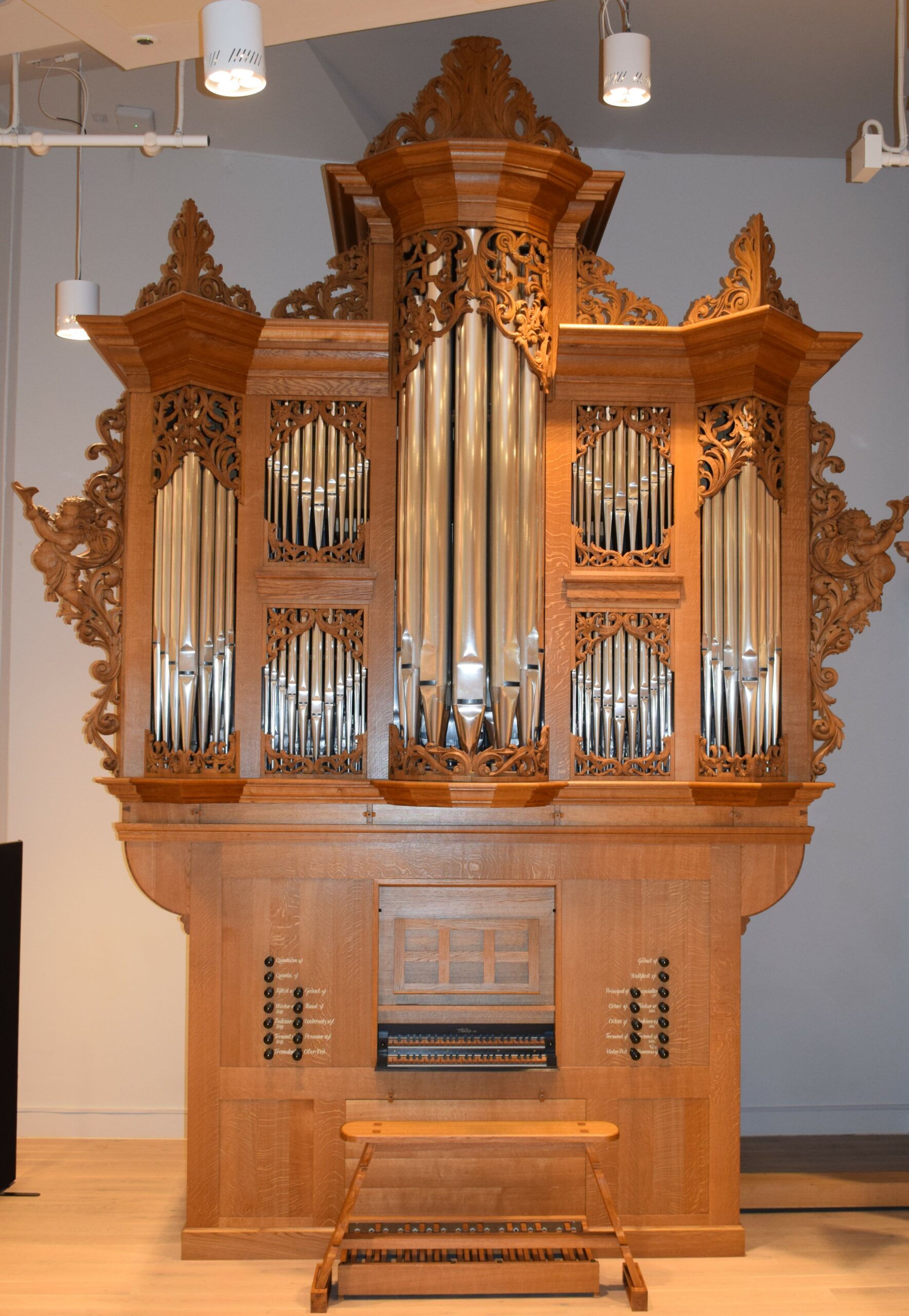
BIOS publishes an annual Journal, a quarterly newsletter, and books on British organbuilders or aspects of British pipe organ history.
BIOS Journal
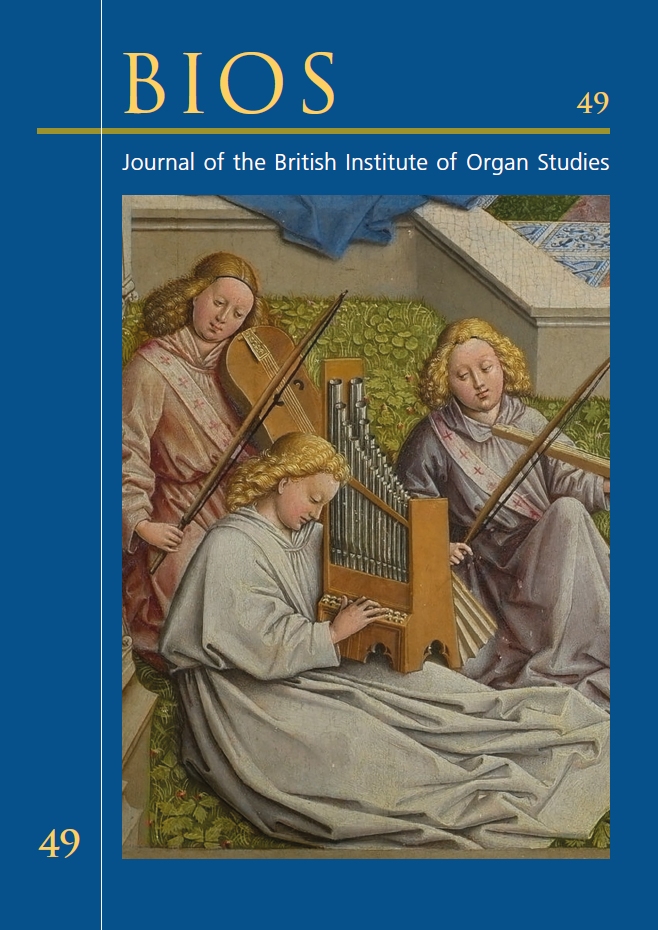
The BIOS Journal is published annually in the Autumn. It contains original articles and reviews and is distributed free of charge to BIOS members. It is also available for purchase by the general public. Articles are subject to peer review. Last date for copy to be received is 31 December of the year preceding publication.
Questions or material for publication should be sent in the first instance to Dr Katharine Pardee, Publications Officer at publications@bios.org.uk.
An Index for Journals 1-15 can be purchased from the BIOS webstore. Clicking here will take you there. An index for volumes 16-25 can be viewed here and downloaded if required.
BIOS Reporter
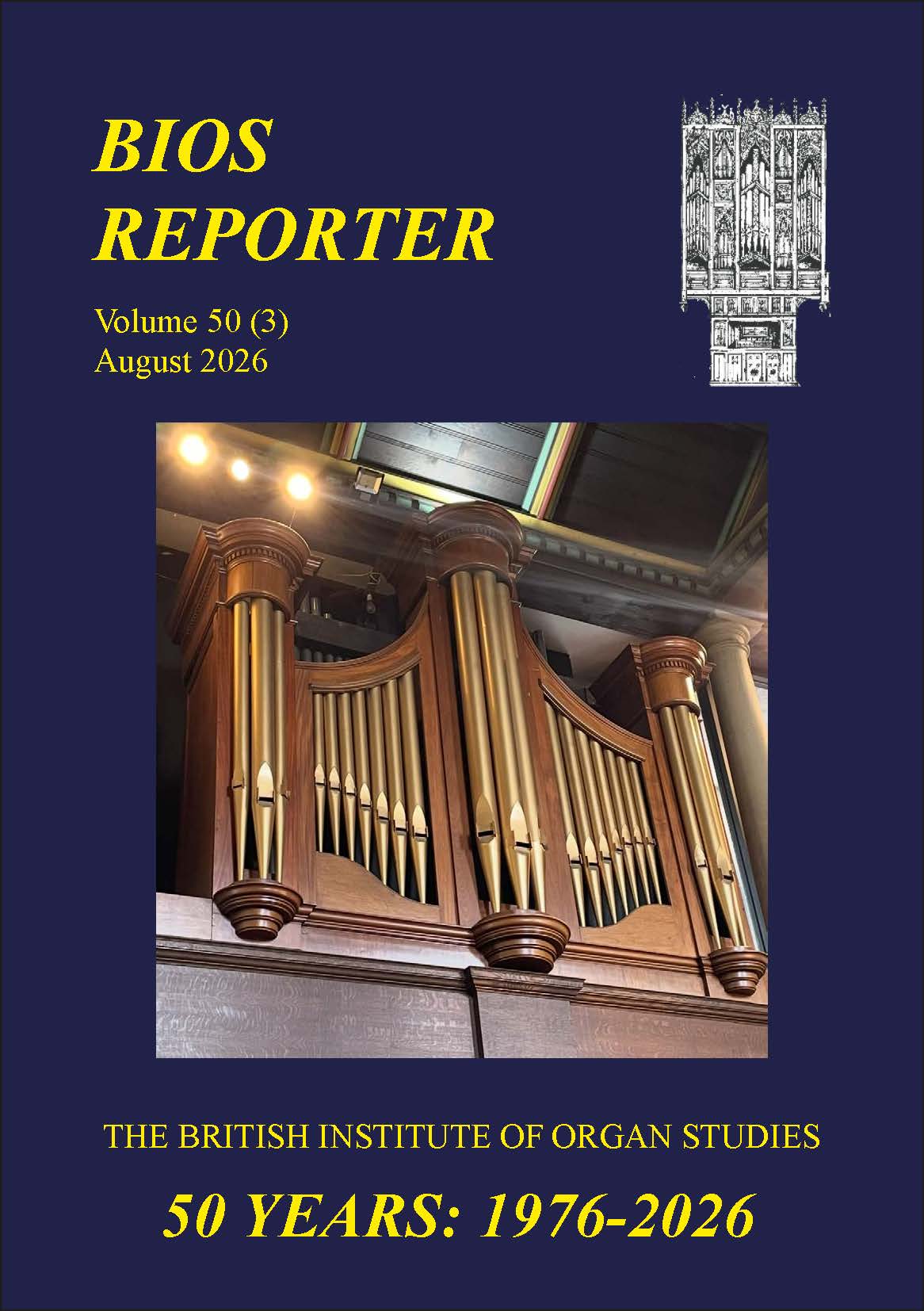
The BIOS Reporter is a quarterly publication for BIOS members and is the primary means of communication between members and the BIOS Council. It contains reports of council and general meetings and notices of future events. Short articles (c.1000 words) are welcomed and subject only to editorial review. Shorter communications may be published as Letters to the Editor. The date for copy is usually the second Friday of the month before publication.
Reviews of books, CDs and music are published in both Journal and Reporter. Anyone wishing to submit a review should first contact the Reviews Editor to avoid duplication of effort.
PayPal
All BIOS items can be purchased using credit/debit cards. PayPal are our card services provider and care can be needed to avoid being encouraged to use a PayPal account. The guide available at this button may be helpful.
Notes for Contributors
Notes have been prepared to help potential authors of material for publications in the BIOS Journal or the Reporter. The Writing for BIOS Publications relate particularly to the Journal. The Reporter is a less formal publication but, where appropriate, the same guidance should be followed.
BIOS Journal 49
.. was despatched to members in November 2025 and contains papers by Alan Buchan, Dr David Force, Professor Randall Harlow, Dr William McVicker, Dr Martin Perkins, Dr Paul Stubbings, and Paul Tindall.
Now on sale..
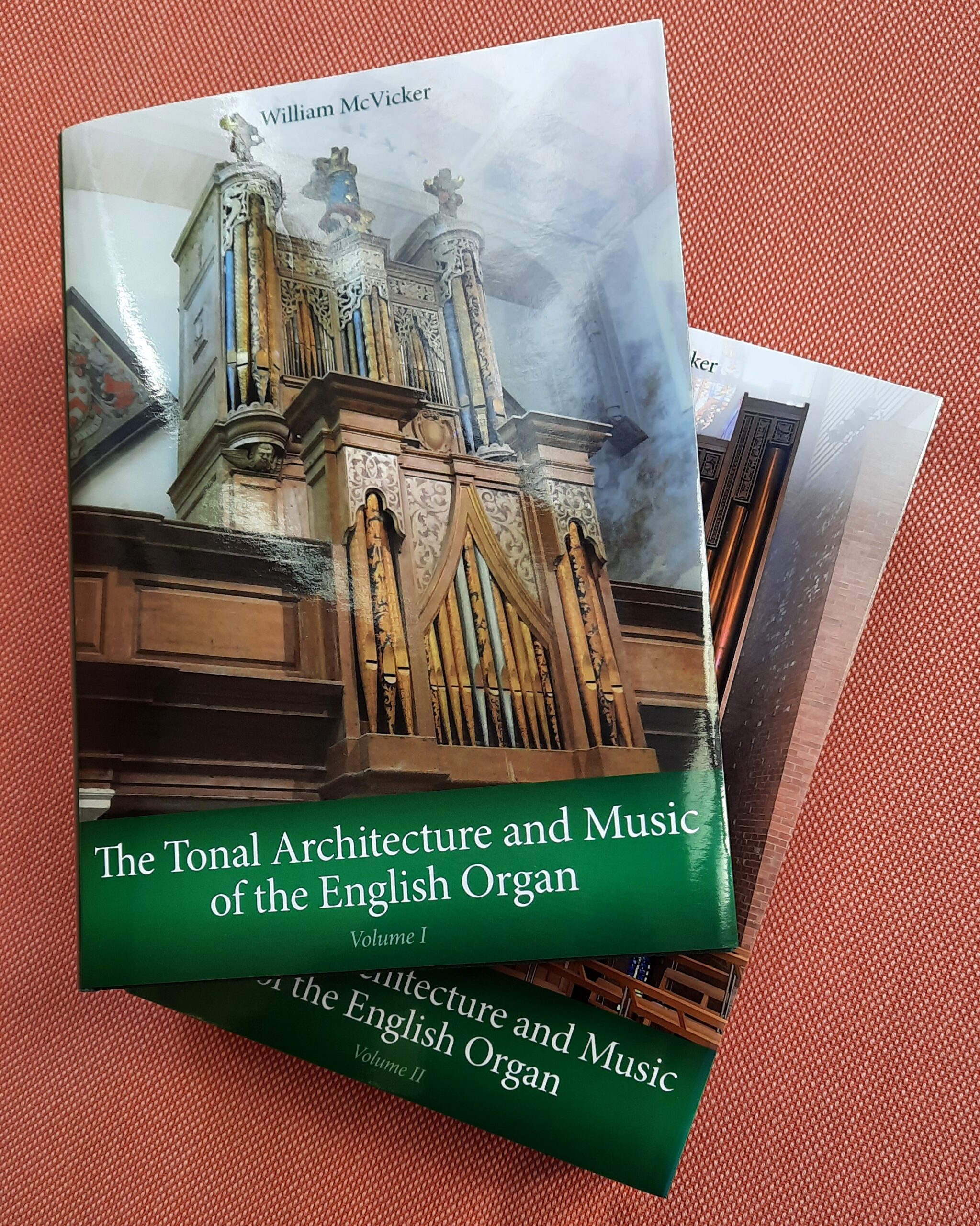
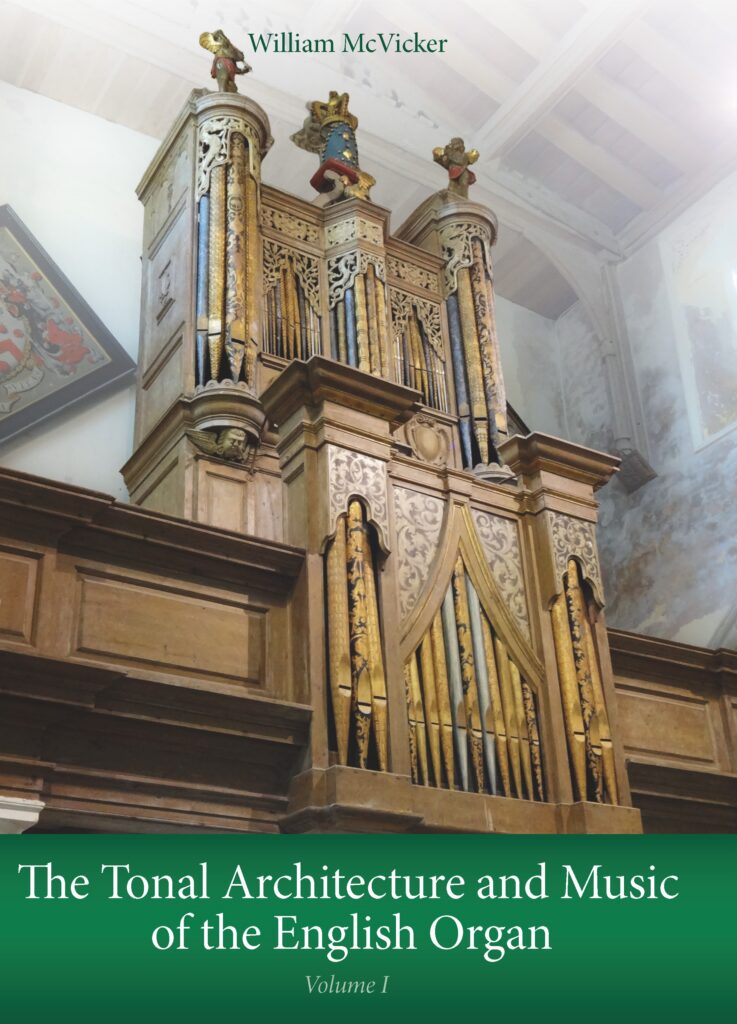
The Tonal Architecture and Music of the English Organ
by Dr William McVicker
In this two volume book (sold as a pair), Dr William McVicker explores the fascinating interplay between English organ design and its repertoire, revealing how instrument and music shaped each other over centuries. Introducing the concept of tonal massing—the dynamic balance of stops—he shows how builders and composers collaborated, consciously or not, to create distinctive sounds and expressive possibilities.
Accessible, richly illustrated, yet deeply informed, this book is essential reading for musicians, historians, and organ enthusiasts, offering a unique insight into one of the world’s most complex and expressive instruments—and the music it inspired.
Occasional Publications
In 2020, the BIOS Council decided that, in accordance with its first charitable objective, the society’s publishing activity should be extended to include occasional books and monographs relating to the organ and its music in Britain. In coming to this decision, the Council recognised that authors sometimes struggle to find commercial publishers for books that are of interest to a specialist readership, and that there is a consequent danger that valuable research and writing in the field could be lost. View the BIOS Notes for Occasional Publications.
BIOS Books
From time to time BIOS publishes books on subjects of interest to its members and of importance to the history of British organs. Prospective authors are invited to submit material for consideration to publications@bios.org.uk. Recent monographs include books on the organbuilders John Nicholson, J.W. Walker and most recently, a study of the organs by French builder Cavaillé-Coll that were imported to Britain in the nineteenth century.
Other Books and Merchandise
Delivery costs are calculated at checkout, depending on the products ordered and the destination.
BIOS Guidance
BIOS Guidance suggests which instruments may be worthy of preservation, and indicates ways in which their qualities may be preserved for the enjoyment of generations to come. BIOS recommend that you initially read these pages progressively.